Transmission Fluid Checks: Why They Matter and How to Do Them
What every Salt Lake City driver should know about transmission fluid maintenance
If you live in Salt Lake City, your car is more than just a machine. It gets you to work in the morning, takes the kids to soccer practice, and carries your gear up to the mountains on weekends. But there’s one part of your car that many people forget about until it’s too late: the transmission fluid.
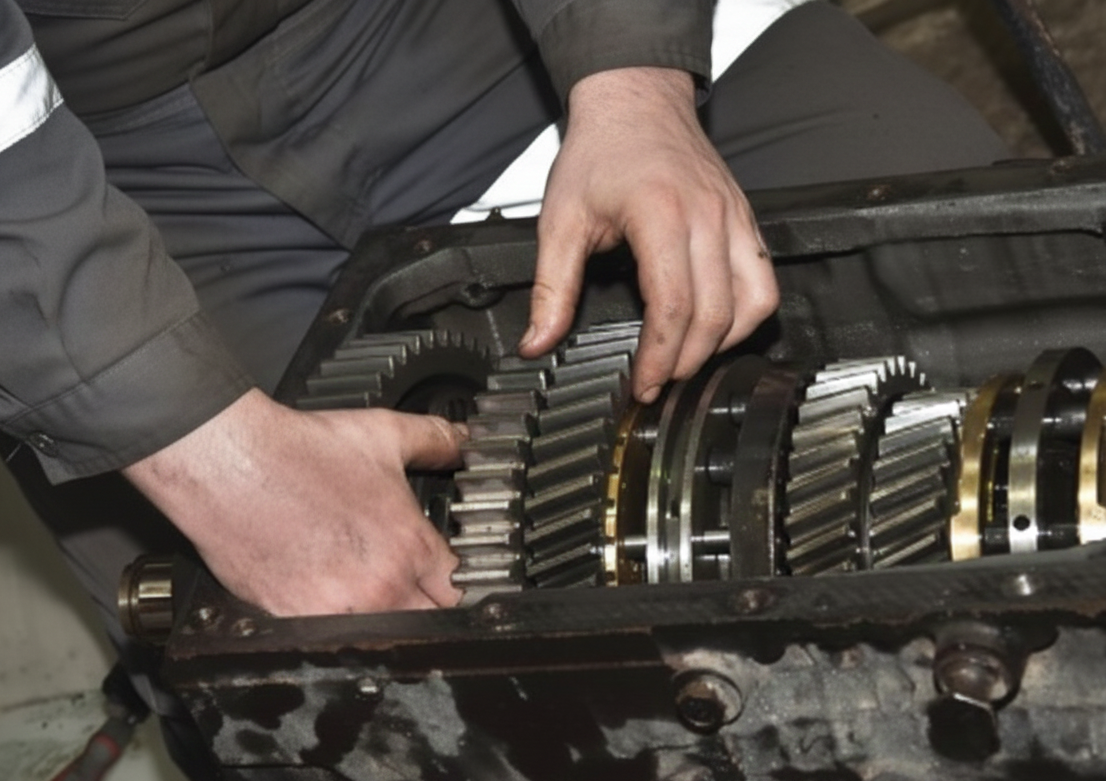
Without transmission fluid, your gearbox would struggle—and so would your ride. It keeps things running smoothly, lubricates the gears, and helps your transmission deal with the heat from daily driving. Fail to keep an eye on it, and you might pay the price with a costly repair. This guide covers why checking your transmission fluid is important, how to do it safely at home, and when you should call a professional.
What Is Transmission Fluid?
Often overlooked, transmission fluid is what keeps your vehicle shifting like a dream. It flows through your transmission, keeping parts moving freely and protecting your gears from harsh rubbing. Depending on your vehicle, the type of fluid can vary—automatic, manual, and CVT transmissions all have different requirements. The easiest way to know you’re using the right fluid? Check your car’s owner’s manual—it knows best.
It works like engine oil, but inside your transmission. Without it, shifting gears can get rough, parts can wear out faster, and your car may not run as well as it should.
Why Checking Your Transmission Fluid Matters
Even if your car seems fine, old or low transmission fluid can cause hidden problems. Here’s why checking it regularly can save you trouble:
- Smooth Shifting: Good fluid lets your car shift gears easily. Low or dirty fluid can make shifting rough, slow, or unpredictable, especially in stop-and-go traffic.
- Protects Internal Parts: Transmission fluid reduces friction and heat, helping internal components last longer.
- Avoid Costly Repairs: Transmission work is expensive. Keeping fluid clean and topped off is a simple way to avoid thousands in repairs.
- Catch Problems Early: Your fluid can signal trouble before anything breaks. If it’s dark, cloudy, or smells burnt, that’s your car’s way of waving a red flag.
How Often Should You Check It?
There’s no one-size-fits-all answer, but for most vehicles, it’s a good idea to check the transmission fluid monthly or during regular maintenance appointments.
Salt Lake City drivers should remember that long summer traffic jams, steep canyon drives, and cold winter starts can put extra stress on your transmission. In these situations, checking your fluid a bit more often is smart maintenance.
How to Check Your Transmission Fluid
For most cars with a dipstick, it’s actually pretty simple:
- Warm up your engine and park on level ground.
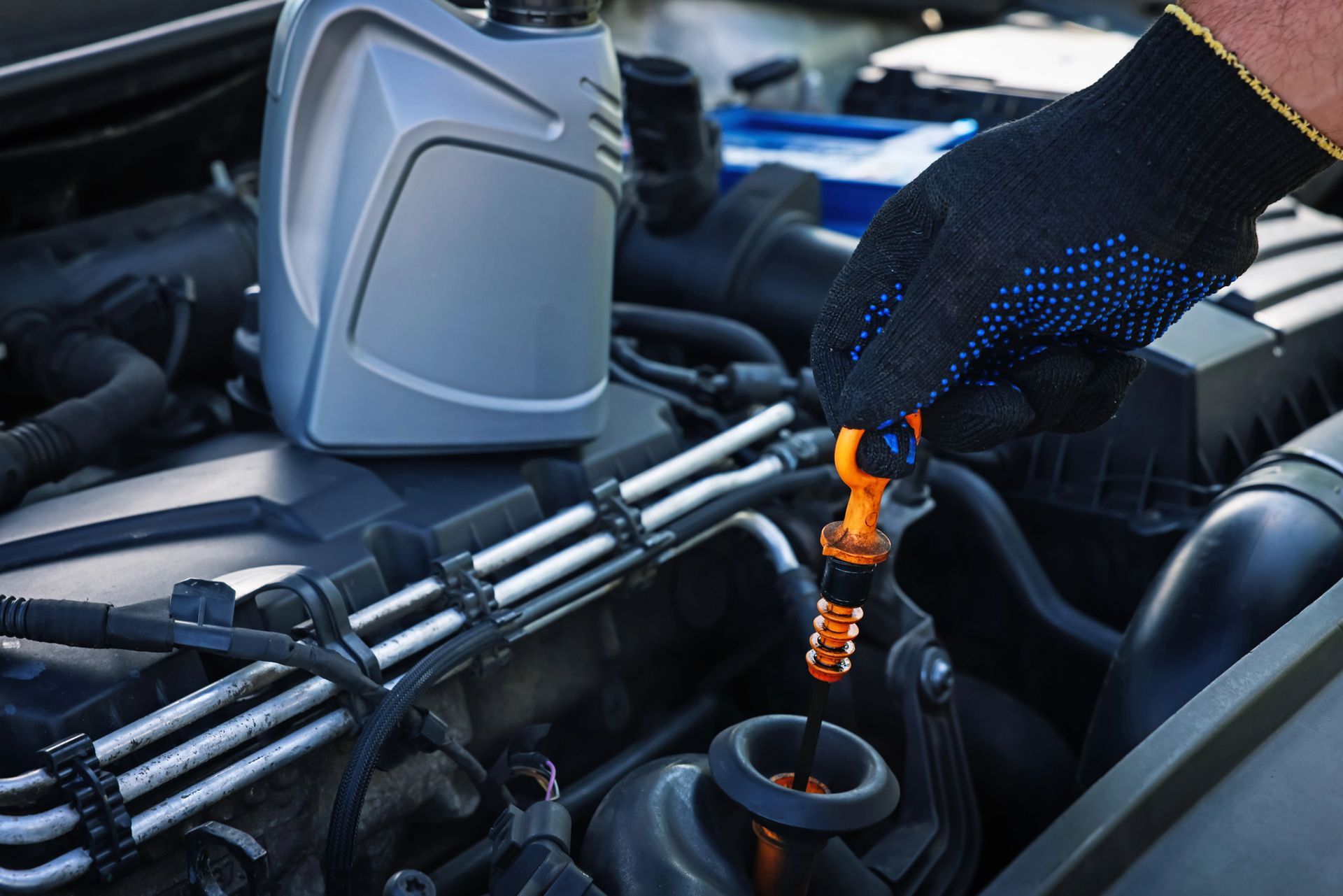
- Find the transmission dipstick, which is usually near the oil dipstick.
- Remove the dipstick, clean off the fluid, push it all the way back in, and then pull it out again to see where your fluid stands.
- Healthy transmission fluid is usually clear with a reddish-pink tint. If it’s dark or smells burnt, it’s time to get it checked before bigger problems show up.
- Add more fluid only if necessary, using a funnel to ensure it goes in cleanly and safely. Be careful not to overfill.
Note that many newer vehicles have sealed transmissions with no dipstick. For these cars, you can’t check the fluid yourself. A professional mechanic will need to do it.
Signs You Should Check Immediately
Your car can give you subtle (or not-so-subtle) hints when the transmission is struggling:
- Unusual noises while shifting
- Delayed or sluggish gear engagement
- Fluid leaks or a burning smell
- Gears slipping unexpectedly
If your car starts acting up in these ways, don’t wait—checking the transmission fluid is often the quickest way to uncover the problem.
DIY Checks vs. Professional Care: What Works Best
Most drivers can safely do a basic check at home, as long as their vehicle has a dipstick and the owner’s manual covers it. But in these cases, professional help is the better choice:
- Your vehicle has no dipstick (sealed transmission)
- You’re unsure how to find or interpret the fluid info
- The fluid appears contaminated, dark, or has a burnt smell
A trained technician can not only check the fluid but also diagnose any underlying problems before they worsen.
Why Local Expertise Matters in Salt Lake City
Driving in Salt Lake City brings unique challenges. Hot valley traffic, canyon drives, and big temperature changes make your transmission work hard. A local mechanic understands the roads, the weather, and what your car goes through each day. With their know-how, they can spot small issues before they turn into costly headaches.
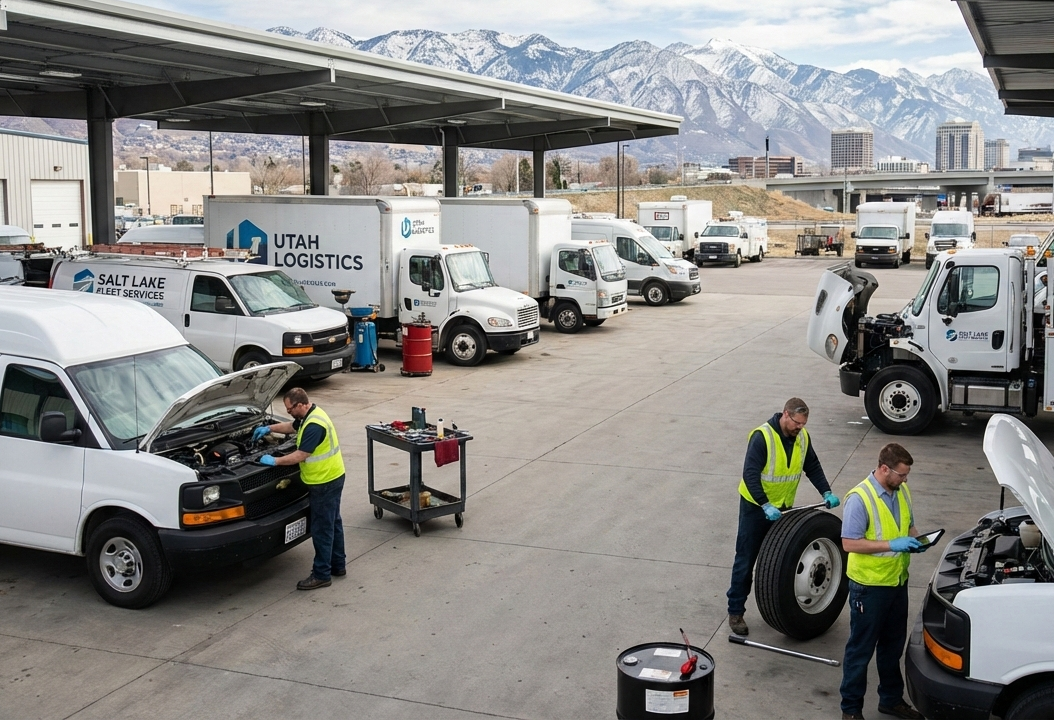
That’s where SLC Fleet Pro Mobile Mechanic stands out. Their team can come to your home or workplace, check your transmission fluid, diagnose problems, and get your car running smoothly, all without the hassle of a shop visit.
Protect Your Transmission Before Trouble Strikes
You might not notice it until something goes wrong, but healthy transmission fluid is critical for a trouble-free ride. A quick check can keep your gears shifting smoothly, help you avoid expensive repairs, and make your vehicle last longer.
If you’re in Salt Lake City and want expert help, SLC Fleet Pro Mobile Mechanic can come to your home or work, check your transmission fluid, do maintenance, and give you advice on caring for your car. Invest a few minutes now, and you could avoid costly surprises later.
Call SLC Fleet Pro Mobile Mechanic
now to schedule your transmission fluid check and keep your car running smoothly!
You might also like